
CircuitHub has secured $28 million in Series A funding to accelerate the development of its automated electronics manufacturing infrastructure and expand production capacity across Europe and North America.
The round was led by Plural, the investment firm founded by technology operators including Taavet Hinrikus, Sten Tamkivi, Ian Hogarth, and Khaled Helioui.
Rebuilding Electronics Manufacturing Infrastructure
Founded in 2011 by Andrew Seddon, Rehno Lindeque, and Jon Friedman, CircuitHub is building a highly automated electronics manufacturing platform focused on flexible, low-volume production.
The company aims to modernise a manufacturing industry that still heavily relies on fragmented workflows, offshore production, and labour-intensive processes.
Its platform allows engineers to upload PCB design files, configure production orders online, and receive manufactured boards within days rather than waiting through traditional multi-month production cycles.
While the company’s first manufacturing facility was launched in Massachusetts, CircuitHub also maintains research and development operations in Cambridge and London as part of its broader European expansion strategy.

Building Automated “Grid” Factories
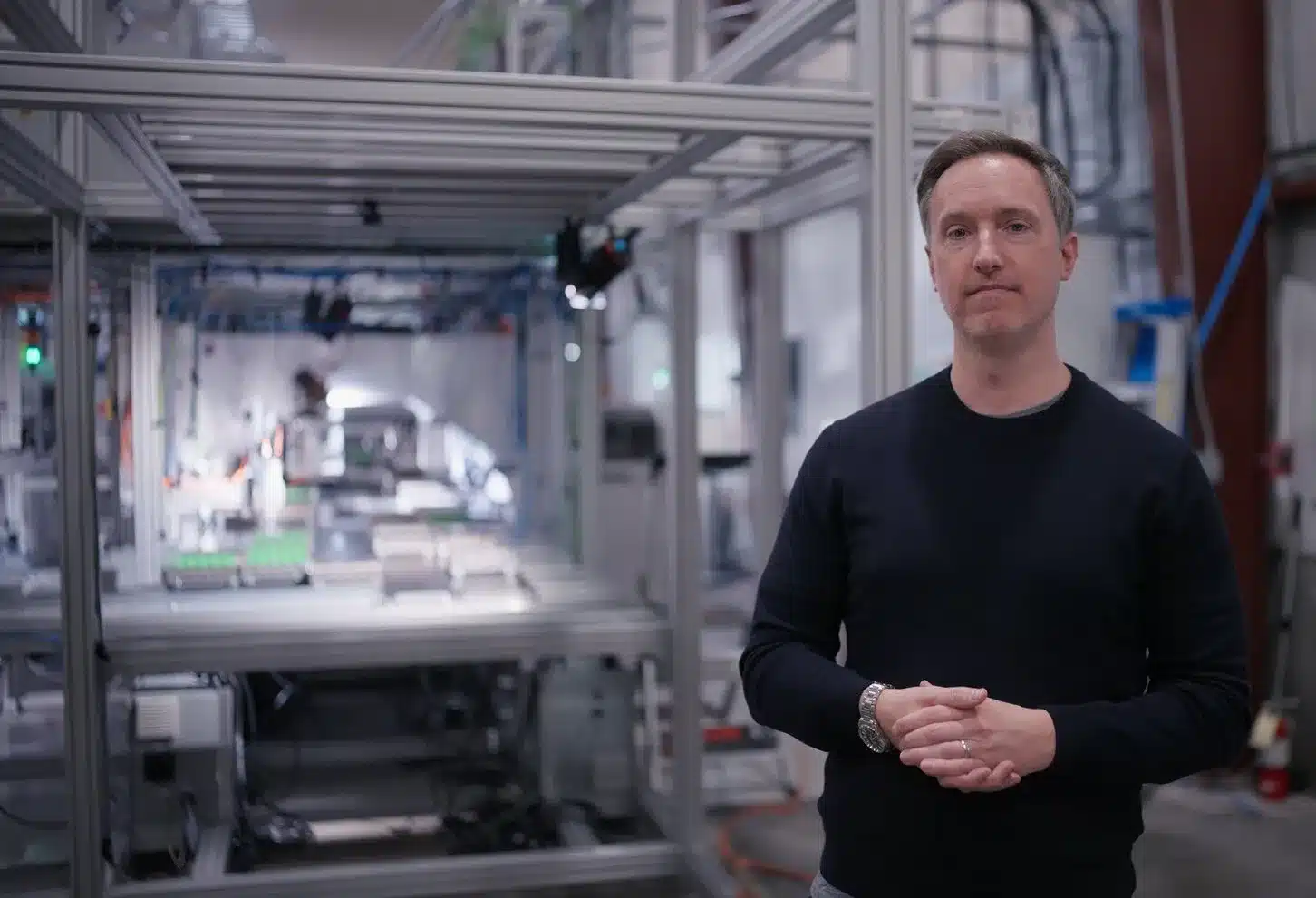
At the centre of CircuitHub’s manufacturing model is its automated factory system called the “Grid.”
The company describes the Grid as a modular 5,000-square-foot manufacturing unit powered by robotics, computer vision systems, and proprietary software infrastructure.
Unlike traditional factories optimised for large-scale production runs, CircuitHub’s system is designed to manufacture multiple product variants simultaneously, ranging from single prototypes to production batches of up to 10,000 units.
The company believes this approach addresses a major gap in the electronics manufacturing market, where most projects involve relatively small production volumes but still depend on infrastructure designed for mass manufacturing.
Addressing Supply Chain And Manufacturing Challenges
CircuitHub says rising labour costs, geopolitical instability, and supply chain disruptions are increasing pressure on traditional offshore manufacturing models, particularly those concentrated in Asia.
The company positions its localised and software-driven approach as an alternative to legacy electronics manufacturers such as Foxconn, Jabil, and Flex, while also competing with newer automation-focused players in the sector.
Since launch, CircuitHub says it has produced more than two million circuit boards and placed over 133 million electronic components for approximately 20,000 engineers globally.
Expanding Manufacturing Capacity
The newly raised capital will be used to expand CircuitHub’s automated factory network, strengthen its engineering and software teams, and further develop its platform into a full-service electronics manufacturing ecosystem.
According to CEO Andrew Seddon, the company wants to make advanced manufacturing infrastructure as accessible as cloud computing became for software companies.
“Hardware companies have traditionally faced a difficult choice between building their own manufacturing operations or relying on ageing supply chains,” Seddon said.
“Our goal is to provide direct access to advanced manufacturing infrastructure through software, allowing companies to scale hardware development in a much more flexible and efficient way.”
About CircuitHub
CircuitHub is a manufacturing technology company building automated infrastructure for electronics production. Founded in 2011, the company develops software-driven manufacturing systems that allow engineers and hardware companies to produce printed circuit boards and electronic assemblies through flexible, robotics-powered factory infrastructure.
