
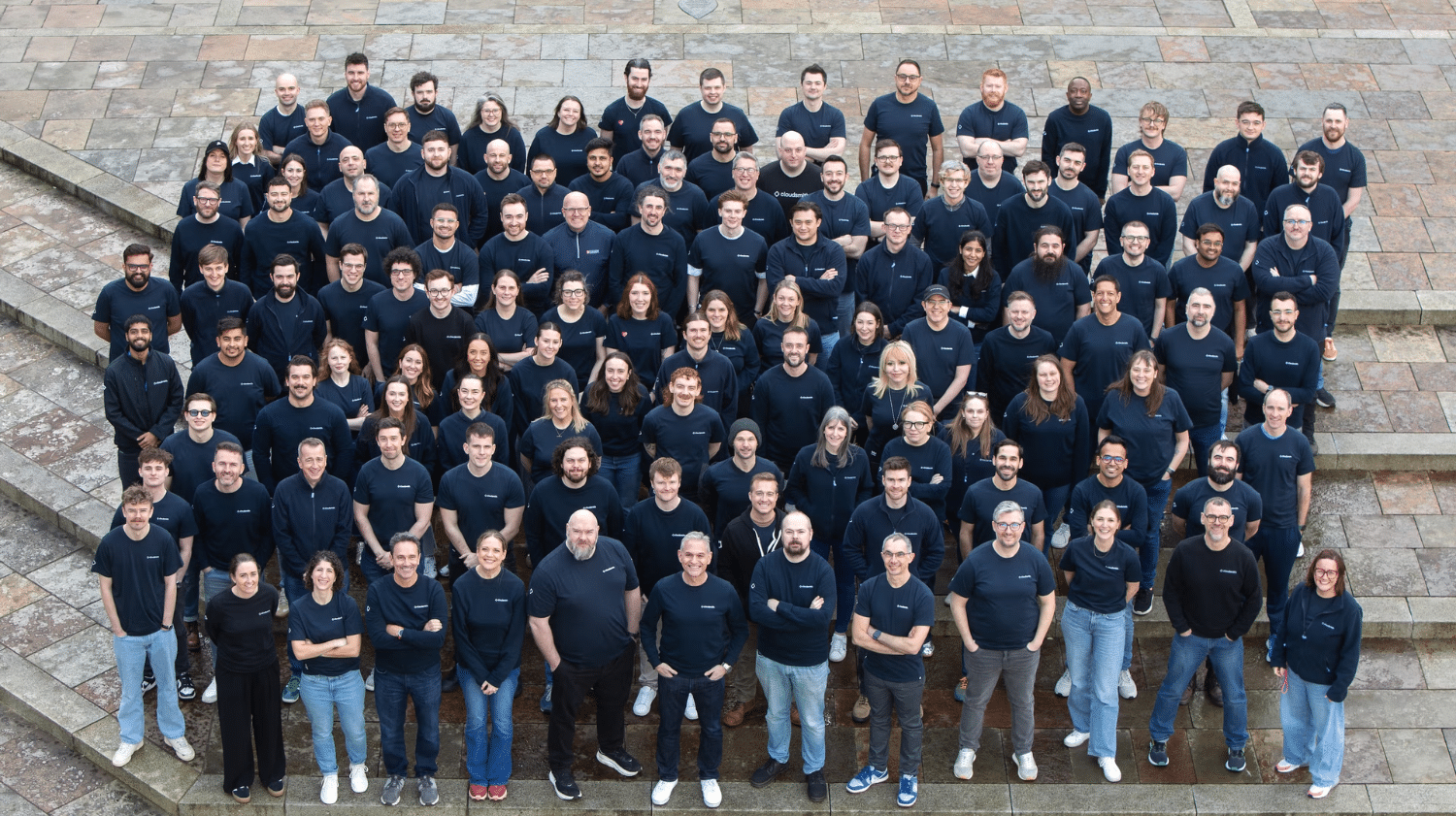
Cloudsmith, a cloud-native artifact management platform provider, has raised $72 million in a Series C funding round led by TCV, with participation from Insight Partners and existing investors.
The company plans to use the capital to accelerate product development and expand its go-to-market capabilities, with a focus on supporting AI-driven software development workflows.
What The Company Does
Cloudsmith builds a cloud-native artifact management platform that helps engineering teams manage, secure, and govern software packages across multiple formats and environments.
The platform is designed to provide visibility and control across modern software supply chains, allowing organisations to handle software artifacts at enterprise scale. It supports functions such as secure storage, distribution, and governance of software components used in development and deployment pipelines.
By centralising artifact management in a fully managed cloud infrastructure, Cloudsmith aims to reduce operational risk, improve build reliability, and increase developer productivity in complex software environments.
The platform is increasingly positioned for AI-driven development workflows, where software is generated and iterated at a much higher velocity than in traditional engineering processes.

Market context / industry background
Software development is shifting toward AI-assisted and AI-generated code, significantly increasing the volume and speed of code production. This change is putting pressure on existing software supply chain infrastructure, which was originally designed for slower, human-led development cycles.
As organisations adopt AI tools in engineering workflows, maintaining security, compliance, and governance across rapidly generated codebases has become more complex. This has increased demand for infrastructure that can track, validate, and control software components in real time.
Artifact management platforms are becoming a critical layer in the modern software stack, particularly as enterprises scale AI adoption across development teams.
At the same time, the increased use of automated code generation is changing how engineering teams structure review processes, with greater emphasis on continuous validation rather than end-stage checks. This shift is also influencing DevOps practices, as deployment pipelines must now account for higher variability and faster iteration cycles. Organisations are increasingly integrating policy enforcement and vulnerability scanning directly into development environments to reduce risk earlier in the lifecycle. Meanwhile, there is growing focus on provenance tracking and dependency transparency, ensuring that all components within a software system can be traced back to their origin and verified for integrity. These capabilities are becoming essential as software ecosystems grow more distributed and AI-driven.
Founder / investor commentary
Glenn Weinstein, CEO of Cloudsmith, said the industry is moving away from traditional hand-crafted software development, as AI agents increasingly generate code at a scale and speed that is difficult for humans to manually review.
He noted that this shift introduces new types of risks in software supply chains, particularly around security and provenance of generated code. According to Weinstein, Cloudsmith is positioned to help enterprises manage these challenges by providing broad visibility across the open-source and software ecosystem, enabling better protection against emerging threats in AI-driven development.
Growth plans / use of funds
The new funding will be used to accelerate Cloudsmith’s product development roadmap and expand its commercial operations. The company is focusing on strengthening its platform capabilities for AI-driven engineering environments and improving enterprise adoption.
It also plans to scale its go-to-market strategy, supporting growth across global markets as demand increases for secure, cloud-native artifact management solutions.
About Cloudsmith
Cloudsmith is a cloud-native artifact management platform founded in 2016 and based in Belfast. The company provides a fully managed solution for controlling, securing, and distributing software artifacts across the software supply chain. Its platform is designed for enterprise-scale development environments, helping organisations reduce risk, streamline builds, and improve developer productivity through secure and reliable infrastructure.
