
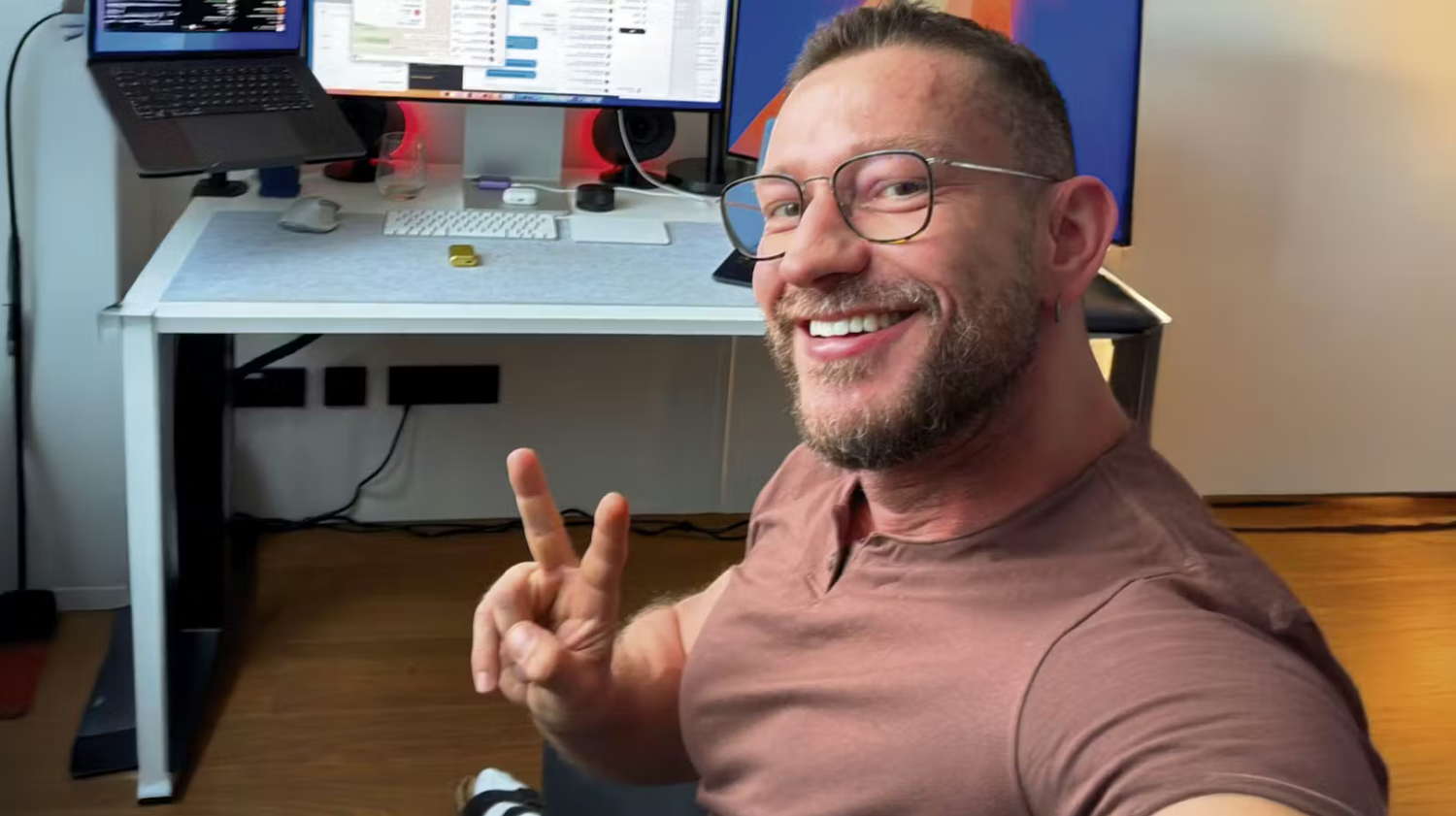
Peter Steinberger, the Austrian developer behind the viral AI assistant OpenClaw, has joined OpenAI to focus on bringing personal AI agents to a broader audience.
OpenClaw, previously known as Clawdbot and later Moltbot, gained rapid traction in recent weeks with its positioning as the “AI that actually does things.” The assistant was designed to handle practical tasks such as managing calendars, booking flights and even interacting within networks of other AI agents.
The project underwent two name changes, first after Anthropic raised legal concerns over similarities to its Claude brand, and later simply because Steinberger preferred the new identity.
A Shift From Startup Building To Global Impact
In a personal blog post, Steinberger explained that while OpenClaw had the potential to become a large standalone company, scaling a startup was not his primary motivation.
He described the past month as a whirlwind, noting that what began as a “playground project” unexpectedly sparked global attention. The surge in interest brought investor inquiries, partnership proposals and competing strategic advice.
Despite the commercial opportunity, Steinberger emphasized that his ambition is broader than company-building. Having previously spent over a decade building and operating a company, he stated that his goal now is to focus on impact rather than enterprise scale.
According to Steinberger, joining OpenAI provides the fastest path to delivering widely accessible AI agents, including tools simple enough for everyday users. He highlighted the need for deeper research, safer deployment strategies and access to frontier AI models to achieve that vision.

OpenClaw To Transition Into A Foundation
OpenAI CEO Sam Altman confirmed that Steinberger will work on driving the next generation of personal AI agents within the organization.
As part of the transition, OpenClaw will move into an independent foundation structure. The project will remain open source and continue to receive support from OpenAI, preserving its community-driven ethos.
Steinberger stressed the importance of keeping OpenClaw open and independent, positioning the foundation as a space for builders, researchers and users who value data ownership and model flexibility. The goal is to support multiple models and providers rather than tying the project to a single ecosystem.
With the move, Steinberger steps directly into the frontier of AI development, aiming to scale the concept of truly agentic assistants beyond experimentation and into everyday use.
