
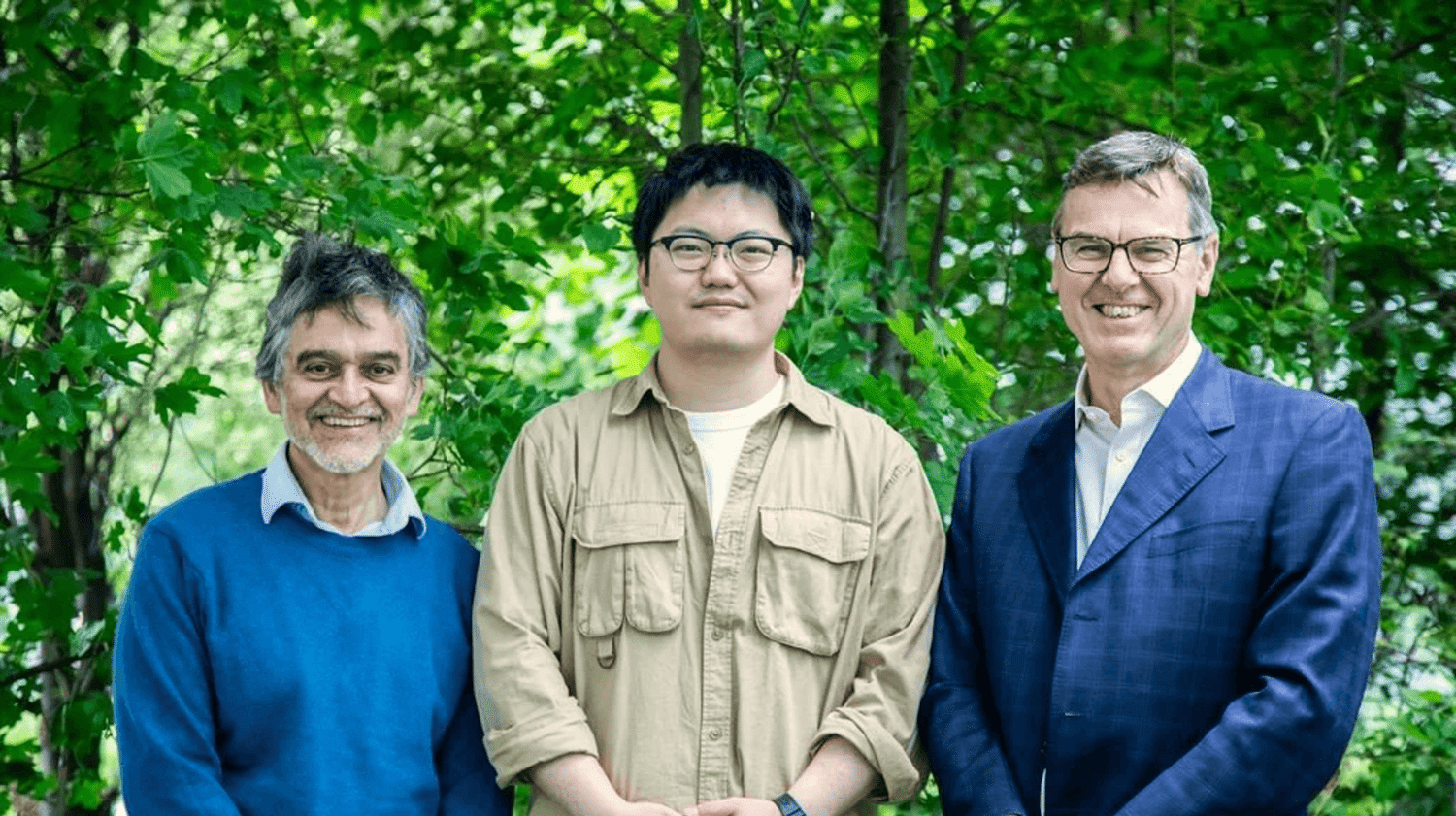
Cytotrait, a biotechnology startup spun out of the University of Manchester, has secured £3 million in seed funding to advance its gene-editing platform designed for agricultural applications.
The round was led by Northern Gritstone, with participation from the UK Innovation & Science Seed Fund managed by Future Planet Capital and the Northern Universities Ventures Fund managed by Parkwalk in collaboration with Northern Gritstone. The funding will support research programs aimed at developing improved crop traits for global food production.
What The Company Does
Cytotrait develops biotechnology tools designed to introduce targeted genetic modifications into plant organelles such as chloroplasts and mitochondria.
The company’s core technology, known as the Mutant Organelle Selection System (MOSS), allows scientists to insert genes or perform gene edits within these cellular structures. By enabling targeted modifications inside organelles, the platform allows researchers to achieve homoplasmy, a condition where all copies of the organelle genome within a cell contain the same genetic modification.
Achieving homoplasmy is important for ensuring consistent expression of engineered traits across plant cells. Traditional plant genetic engineering methods can struggle to reach this state efficiently, which can limit the effectiveness of genetic modifications.
Cytotrait’s system aims to overcome these challenges by enabling more precise gene editing and insertion within organelle genomes.

Market Context / Industry Background
Agricultural biotechnology is increasingly focused on improving crop resilience, productivity, and environmental performance as global demand for food continues to rise.
Gene-editing technologies such as CRISPR have expanded the range of possible genetic modifications in plants, allowing scientists to introduce traits that improve resistance to pests, diseases, and environmental stress.
However, modifying plant organelles has historically been technically challenging. Chloroplasts and mitochondria play essential roles in plant metabolism and energy production, and precise modifications within these structures can offer advantages such as stronger trait expression and improved genetic containment.
Technologies capable of editing organelle genomes may therefore open new possibilities in crop development, including enhanced yields, improved disease resistance, and new food-related characteristics.
These advances could also contribute to broader sustainability goals, including improved carbon capture in plants and more efficient agricultural systems.
Founder / Investor Commentary
Dr. Junwei Ji, co-founder and executive director of Cytotrait, said the company developed the MOSS platform to address challenges related to global food security and sustainable agriculture.
He explained that the technology enables the development of crop varieties with new or improved characteristics while potentially simplifying the path toward regulatory approval.
By enabling more efficient gene editing in plant organelles, the platform could allow scientists to introduce beneficial traits more reliably and accelerate research in crop biotechnology.
Growth Plans / Use Of Funds
Cytotrait plans to use the £3 million seed funding to expand its research programs focused on several key agricultural crops.
The company intends to apply its MOSS platform to crops including wheat, maize, potato, and canola. Research efforts will focus on improving crop yield, enhancing resilience to pests and environmental stress, and developing new food-related traits.
The company also plans to explore applications that could support more sustainable agricultural practices, including improving the capacity of crops to capture and store carbon.
Cytotrait’s research programs will primarily target agricultural markets in Europe and North America as the company develops its technology for broader commercial applications.
About Cytotrait
Cytotrait is a biotechnology company developing gene-editing technologies for agriculture and food production. Founded as a spinout from the University of Manchester, the company focuses on modifying plant organelles using its proprietary Mutant Organelle Selection System (MOSS). This platform enables targeted gene edits and insertions that can achieve homoplasmy, supporting the development of crops with improved traits, stronger expression of genetic modifications, and enhanced breeding potential.
