
US-based startup Blue Energy has secured $380 million in combined equity and debt financing to rethink how nuclear power plants are built—by shifting construction from traditional sites to shipyards.
The round was led by VXI Capital, with participation from At One Ventures, Engine Ventures, and Tamarack Global.
A New Approach To Nuclear Construction
As global electricity demand surges—driven by electrification and AI data centres—interest in nuclear energy is rising again. However, recent large-scale reactor projects in the US have faced major delays and cost overruns, making utilities cautious about new builds.
Blue Energy is tackling this challenge not by reinventing reactor technology, but by redesigning how plants are constructed.
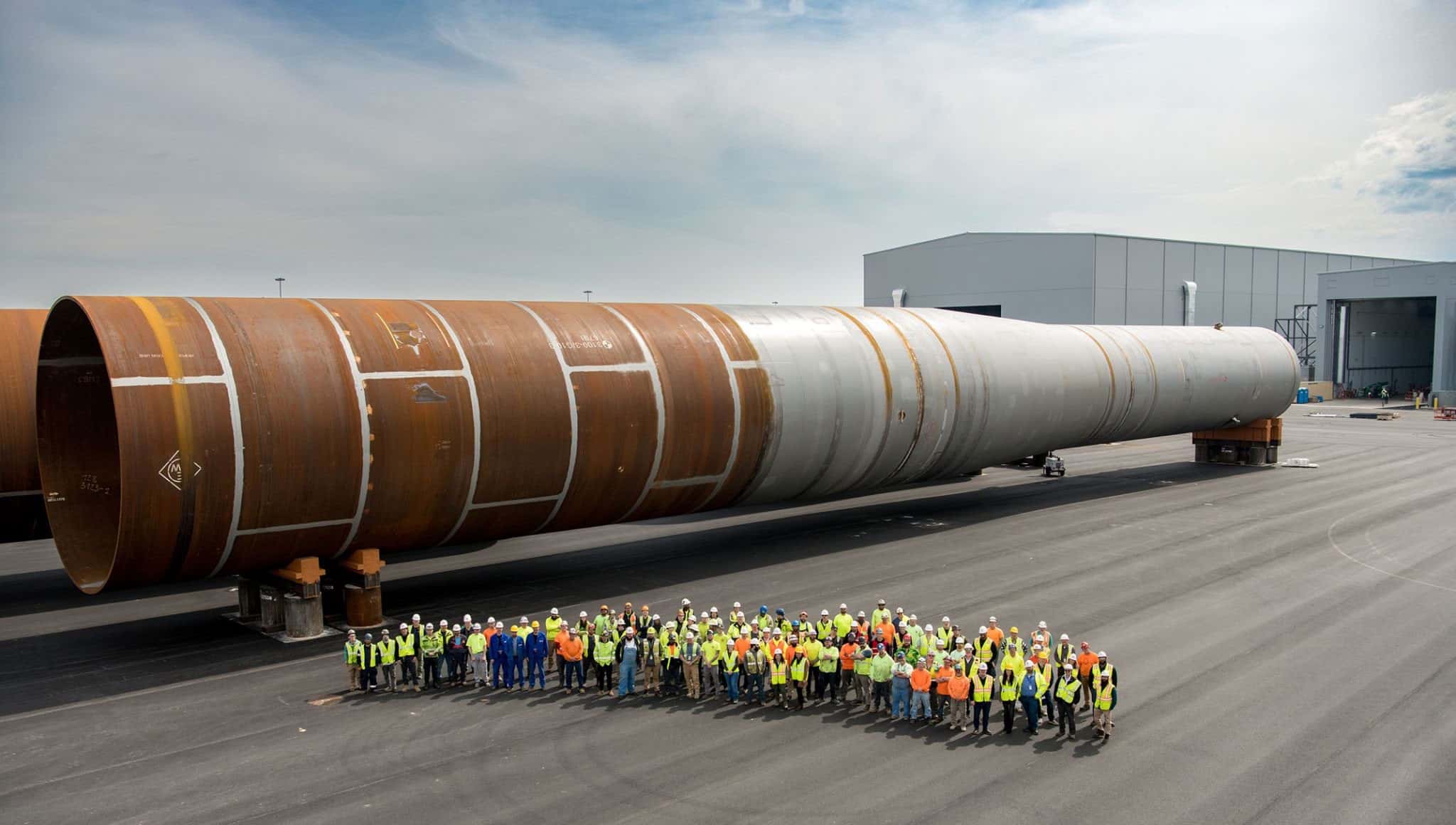
Instead of building reactors entirely on-site, the company plans to manufacture key components in shipyards—facilities already optimised for handling large-scale steel structures and complex engineering projects.

Learning From The Past To Build The Future
According to co-founder and CEO Jake Jurewicz, the concept is rooted in nuclear’s origins. Early reactor designs, particularly light-water reactors, were first developed for submarines and built in controlled manufacturing environments.
By returning to this model, Blue Energy aims to reduce construction complexity, improve efficiency, and enable more predictable project timelines.
From Shipyard To Power Plant
Once completed, reactor modules will be transported via barge to their final destinations. While this approach naturally favours locations near waterways, it still covers a large portion of global energy demand, particularly in regions with major rivers or coastal infrastructure.
The company’s first project—a 1.5 gigawatt power plant in Texas—is expected to begin construction later this year.
Industrialising Nuclear Energy
By centralising construction in shipyards, Blue Energy aims to shift nuclear development closer to a manufacturing model. This could open the door to automation, reduce reliance on manual processes like welding, and significantly lower costs over time.
The strategy mirrors approaches seen in other industries, where prefabrication and modular construction have shortened timelines and improved scalability.
Strong Interest From Investors And Lenders
The company’s model has already attracted attention from major infrastructure investors and project finance banks, signalling confidence in its ability to make nuclear projects more economically viable.
At the core of this interest is a critical industry challenge: not the technology itself, but the unpredictability of construction costs and timelines.
Solving Nuclear’s Biggest Bottleneck
Blue Energy’s thesis is clear—nuclear power can play a major role in the future energy mix, but only if it becomes faster and cheaper to deploy.
By rethinking construction through a shipyard-based, modular approach, the company is positioning itself to unlock a new phase of scalable nuclear energy—designed for a world increasingly defined by rising power demand and infrastructure constraints.
