
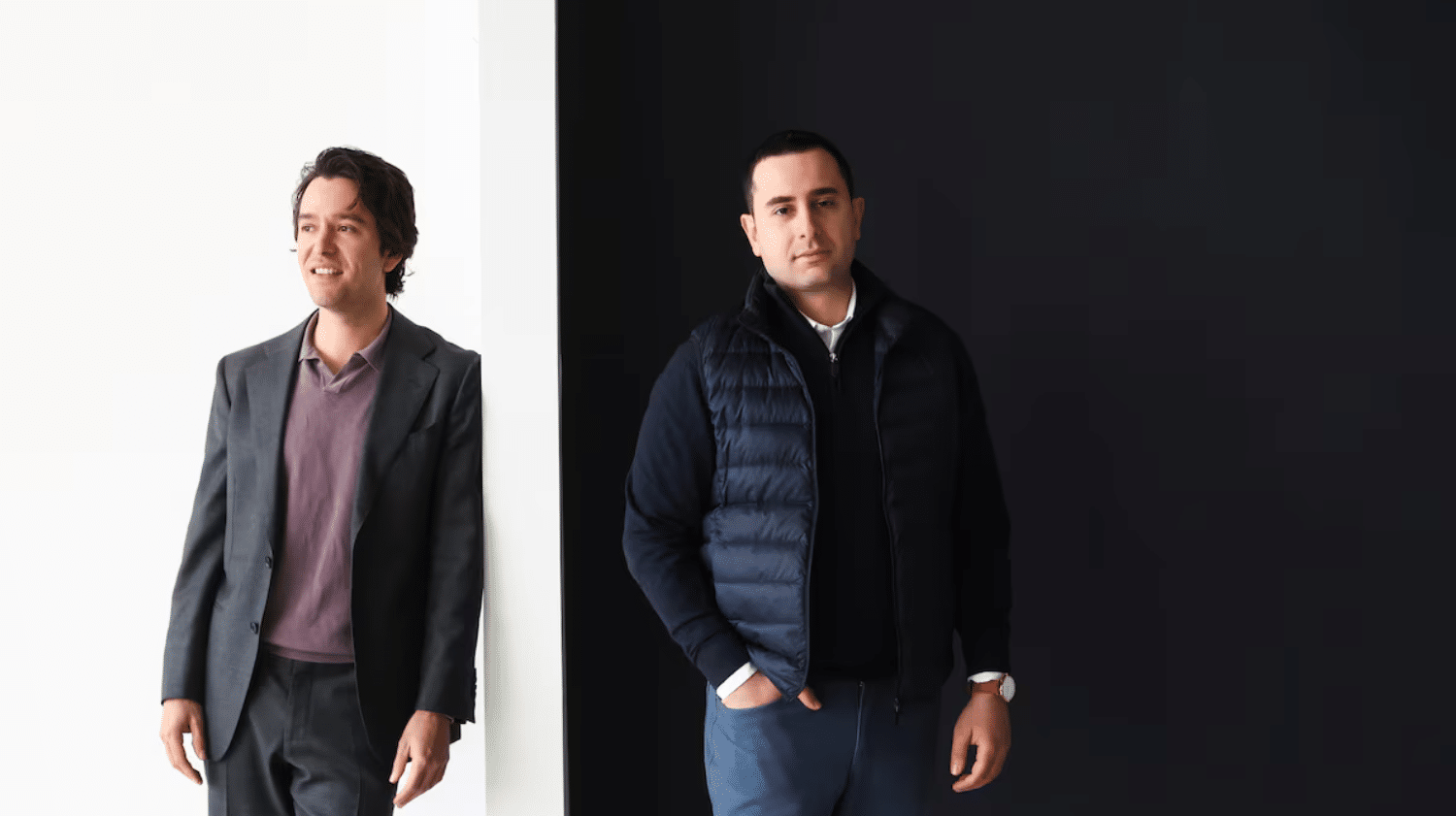
Biossil, a biotech company, has emerged from stealth with approximately $70 million in equity funding, backed by investors including OpenAI, Founders Fund, and Staircase Ventures.
The company is building an AI-driven drug development platform designed to identify and revive pharmaceutical compounds that were previously abandoned during clinical development.
What The Company Does
Biossil develops an AI platform that scans and evaluates drug candidates which were previously dropped by pharmaceutical companies during clinical trials. When its system identifies promising molecules, the company acquires or licenses them from the original developers and continues development internally.
This approach allows Biossil to bypass early-stage discovery work and focus on advancing existing compounds that already have clinical data, reducing time and cost compared to traditional drug development pipelines.
The company’s model is based on building a portfolio of repurposed or revived drug candidates and advancing them through clinical trials with the aim of bringing new therapies to market more efficiently.

Market context / industry background
Drug development is typically a long and capital-intensive process, with many candidates failing during early or mid-stage clinical trials despite showing partial efficacy or potential.
As a result, large volumes of pharmaceutical data and partially validated compounds are effectively shelved, representing a potential but underutilised resource within the industry.
Recent advances in artificial intelligence are increasingly being applied to biomedical research, enabling faster analysis of molecular data and improving the identification of viable drug candidates from existing datasets.
This shift is contributing to a broader trend in biotech toward data-driven drug repurposing and AI-assisted clinical development.
Alongside this, improvements in computational biology and high-performance computing are allowing researchers to simulate biological processes at a level of detail that was previously not feasible. This is helping reduce the time required for hypothesis generation and early-stage validation.
Pharmaceutical companies are also increasingly collaborating with AI-native startups and academic institutions to access new modelling capabilities and specialised datasets. As regulatory frameworks gradually adapt to AI-assisted discovery methods, there is growing interest in how these technologies can accelerate timelines while maintaining safety and efficacy standards. Over time, this may lead to more efficient pipelines where previously failed compounds are reassessed with greater precision.
Founder / investor commentary
Anthony Mouchantaf, co-founder and CEO of Biossil, said the company’s core belief is that AI will have its most meaningful impact in healthcare by accelerating the translation of scientific research into treatments.
He emphasised that the company is focused on moving potential therapies into clinical use in the near term rather than over long development timelines.
Mouchantaf previously served as director of venture capital at RBCx, where he led investment strategy, while co-founder and chief scientific officer Dr. Alexander Mosa trained as an internal medicine specialist before co-founding the company.
Growth plans / use of funds
Biossil will use its funding to advance its pipeline of drug candidates and support ongoing clinical trials across multiple therapeutic areas. The company is currently working on treatments for conditions including sickle cell disease, idiopathic pulmonary fibrosis, glioblastoma, breast cancer, and Alzheimer’s disease, with additional programs in development.
The company also continues to pursue licensing agreements with pharmaceutical and biotech partners, generating both upfront and milestone-based revenue.
Biossil plans to progress several compounds through clinical trials in the coming years, with the goal of bringing multiple therapies to market.
About Biossil
Biossil is a biotech company based in Toronto with operations in the Boston area. It uses an AI-driven platform to identify and develop previously discontinued drug candidates, focusing on accelerating clinical development and improving the efficiency of pharmaceutical research. The company operates across drug discovery, clinical development, and licensing, with a team of around 30 employees working across platform and development functions.
