
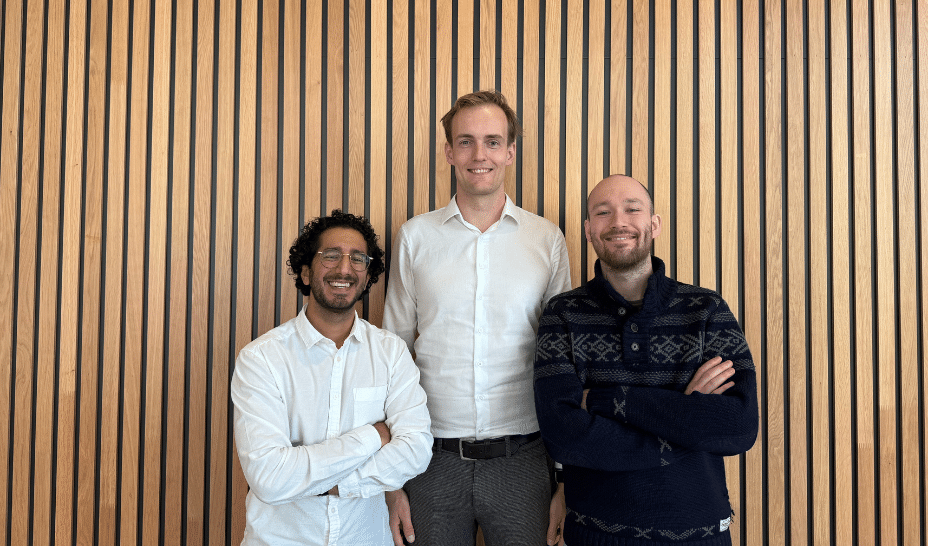
Swiss biotech startup ALP Bio AG has raised €1.9 million in pre-seed funding to advance its platform combining human immune organoids with generative AI.
The round was led by 42CAP, with participation from Venture Kick and a group of strategic angel investors.
Tackling A Costly Bottleneck In Biologics
Founded in 2025, ALP Bio is focused on improving how drug developers assess immunogenicity—the risk that biologic therapies trigger unwanted immune responses.
Today, these risks are often only identified during clinical trials, when changes are expensive and timelines are already extended. ALP Bio aims to shift this process much earlier in development.

Combining Biology And AI
The company’s platform integrates lab-generated data from human immune organoids with machine learning models to predict anti-drug antibody (ADA) responses.
Built on tonsil-derived organoid systems and advanced AI, the platform supports antibody screening, risk classification, and sequence optimisation—while maintaining therapeutic performance.
This hybrid approach enables developers to identify potential issues sooner, reducing the likelihood of costly late-stage failures.
Early Industry Collaboration
The startup is already working with pharmaceutical and biotech partners through early-access programmes, helping improve candidate selection and de-risk development pipelines.
“Immunogenicity remains one of the most underestimated challenges in biologics,” said Christian Vahlensieck, CEO of ALP Bio. “Our goal is to make these risks measurable much earlier, giving developers the ability to act before clinical stages.”
Scaling Platform Capabilities
The new funding will be used to expand both the experimental and computational capabilities of the platform, supporting further development and collaboration with industry partners.
About ALP Bio
ALP Bio is a Switzerland-based biotech company developing a platform that combines immune organoid biology with AI to predict immunogenicity risks in biologics. Its technology helps pharmaceutical teams improve antibody development by enabling earlier, data-driven decision-making.
