
Delft-based quantum hardware startup FrostByte has secured €1.3 million in funding to accelerate the development of cryogenic electronics for next-generation quantum computing systems.
The round included backing from InnovationQuarter Capital, Graduate Ventures, Paeonia Group, UNIIQ, and an angel investor.
The investment also marks the 80th portfolio company for Graduate Ventures.
Building Cryogenic Electronics For Scalable Quantum Systems
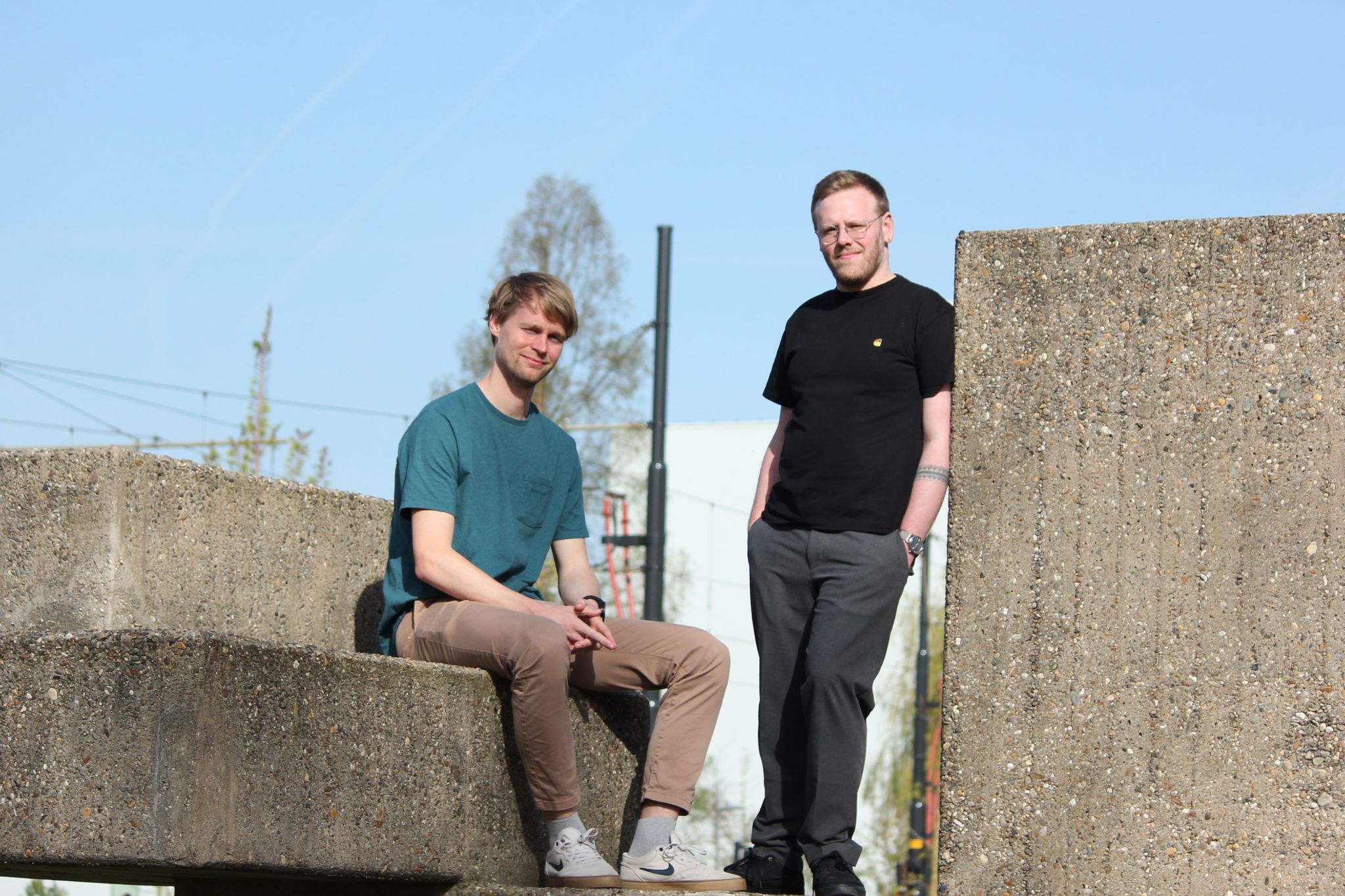
Founded in 2025, FrostByte is led by James Kroll and Luc Enthoven.
The company emerged as a spin-off from TU Delft and QuTech and focuses on cryogenic integrated circuits and specialised control electronics for quantum computing infrastructure.
FrostByte is supported scientifically by cryo-CMOS researchers Fabio Sebastiano and Masoud Babaie, whose research is now being commercialised through the company.

Solving A Major Quantum Computing Bottleneck
The startup is targeting one of the biggest challenges facing the quantum computing industry: scaling systems to support millions of qubits without creating excessive heat, wiring complexity, and infrastructure overhead.
Its approach involves developing cryogenic electronics that can operate much closer to quantum processors inside ultra-cold environments, reducing the need for extensive external control systems and improving scalability.
By moving control electronics closer to the qubits themselves, FrostByte aims to simplify system architectures and support more practical large-scale quantum computers.
Expanding Production And Chip Development
The newly raised funding will be used to expand the company’s team, scale production of its cryogenic switches, and further develop integrated cryo-CMOS chips for future quantum systems.
According to CEO James Kroll, the investment will help to move the technology toward manufacturable cryogenic electronics designed for the global quantum industry.
About FrostByte
FrostByte develops cryogenic electronics and integrated circuits for quantum computing applications. The company focuses on hardware capable of operating in extremely low-temperature environments, helping enable scalable and efficient quantum computing infrastructure for future large-scale quantum systems.
