
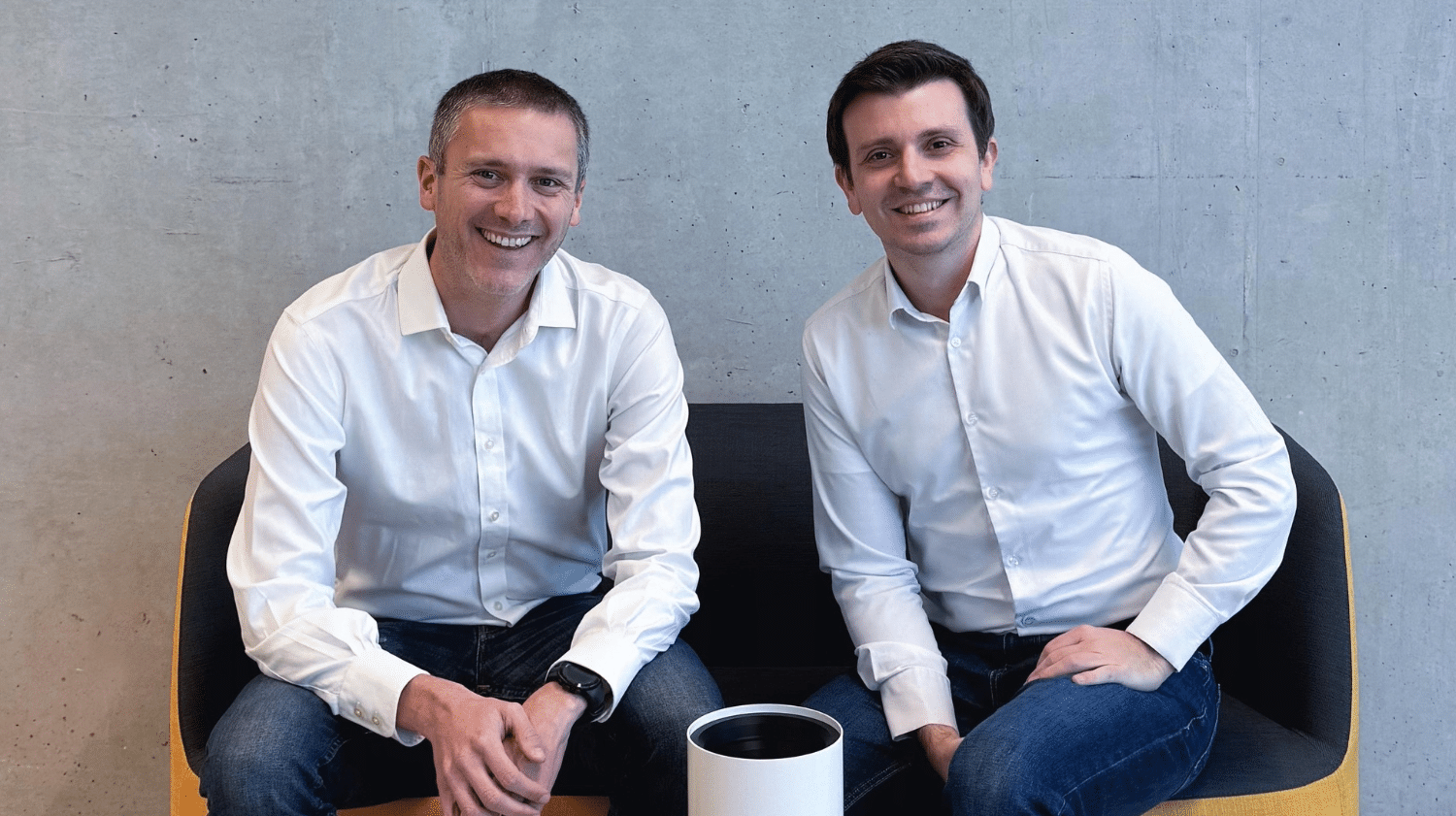
Telura, a deep technology startup based in Munich, has raised €4 million in a pre-seed funding round to develop a new drilling approach aimed at expanding access to geothermal energy.
The round was led by Nucleus Capital, with participation from Possible Ventures and First Momentum. In addition to the funding, Telura has entered a validation agreement with Germany’s innovation agency SPRIND as the company prepares for an expected market launch in 2026.
What The Company Does
Founded in 2025 by Philipp Engelkamp and Andrew Welling, Telura is developing electric impulse drilling technology designed to improve the efficiency and cost structure of geothermal energy extraction.
Traditional geothermal drilling typically relies on mechanical methods that grind through rock using drill bits. These techniques can be slow and expensive, particularly when drilling deep into hard geological formations.
Telura’s approach uses high-voltage electrical pulses to fracture rock internally rather than mechanically grinding it away. The technology generates controlled impulses that break rock from within, potentially allowing drilling operations to reach geothermal heat sources more quickly and with reduced equipment wear.
By eliminating many of the mechanical limitations associated with conventional drilling systems, the company aims to enable deeper and more cost-efficient geothermal wells.
If successfully deployed at scale, the technology could expand the geographic areas where geothermal energy becomes economically viable.

Market Context / Industry Background
Geothermal energy is considered a reliable source of renewable baseload power because it can generate electricity continuously regardless of weather conditions. Unlike intermittent renewable sources such as wind and solar, geothermal systems can provide stable energy output directly connected to the power grid.
However, geothermal development has historically been limited by the technical complexity and cost of drilling deep wells. Drilling often represents the largest portion of the total cost of geothermal projects.
As energy demand rises due to electrification, data infrastructure, and artificial intelligence workloads, policymakers and energy companies are exploring new technologies that can provide stable, low-carbon electricity.
In Europe, concerns about energy security and reliance on imported fuels have intensified interest in domestic energy sources. Geothermal energy has therefore become an area of increasing technological experimentation, particularly in deep geothermal systems capable of generating continuous power.
Companies developing advanced drilling technologies aim to reduce the cost barrier that has historically limited geothermal adoption.
Founder / Investor Commentary
Telura CEO and co-founder Philipp Engelkamp said the company’s technology is designed to address the need for stable energy generation as electricity demand continues to increase.
“Intermittent renewables and fossil fuels alone won’t be enough to fill this gap in time,” Engelkamp said. “Powering the next era requires a 24/7 supply of reliable baseload power directly tapped into the grid.”
Andrew Welling, Telura’s co-founder and CTO, said the scientific foundations behind electric impulse drilling have been studied for years, but the challenge now lies in building reliable systems for industrial use.
“Electric impulse drilling offers the most direct and scalable path to industrialising next-generation geothermal since the technology is already proven,” Welling said. “What remains is an engineering challenge: turning that scientific foundation into a system that runs reliably and economically in the field.”
Investors highlighted the potential impact of the technology if it can overcome key engineering hurdles.
“Philipp and Andrew bring the rare combination of relentless execution and technical depth needed to solve deep geothermal’s core engineering challenge at unprecedented speed,” said Dr. Maximilian Ochs, Investment Manager at First Momentum.
Growth Plans / Use Of Funds
Telura plans to use the €4 million funding to advance the development of its drilling technology and prepare for initial market deployment.
The company will focus on engineering work needed to translate the electric impulse drilling concept into a fully operational field system. This includes refining hardware, improving system reliability, and conducting further validation testing.
Telura has also established a validation partnership with SPRIND, a German innovation agency that supports the development of breakthrough technologies. The collaboration is intended to help evaluate the technology’s performance and prepare it for commercial applications.
The company aims to enter the geothermal drilling market in 2026, targeting energy developers seeking more efficient ways to access deep geothermal resources.
About Telura
Telura is a deep technology company developing electric impulse drilling systems for geothermal energy extraction. Founded in 2025 and headquartered in Munich, the company focuses on technologies that fracture rock using high-voltage electrical pulses rather than conventional mechanical drilling methods. By improving the efficiency and cost structure of geothermal drilling, Telura aims to expand access to reliable, emission-free energy and support long-term energy security.
