
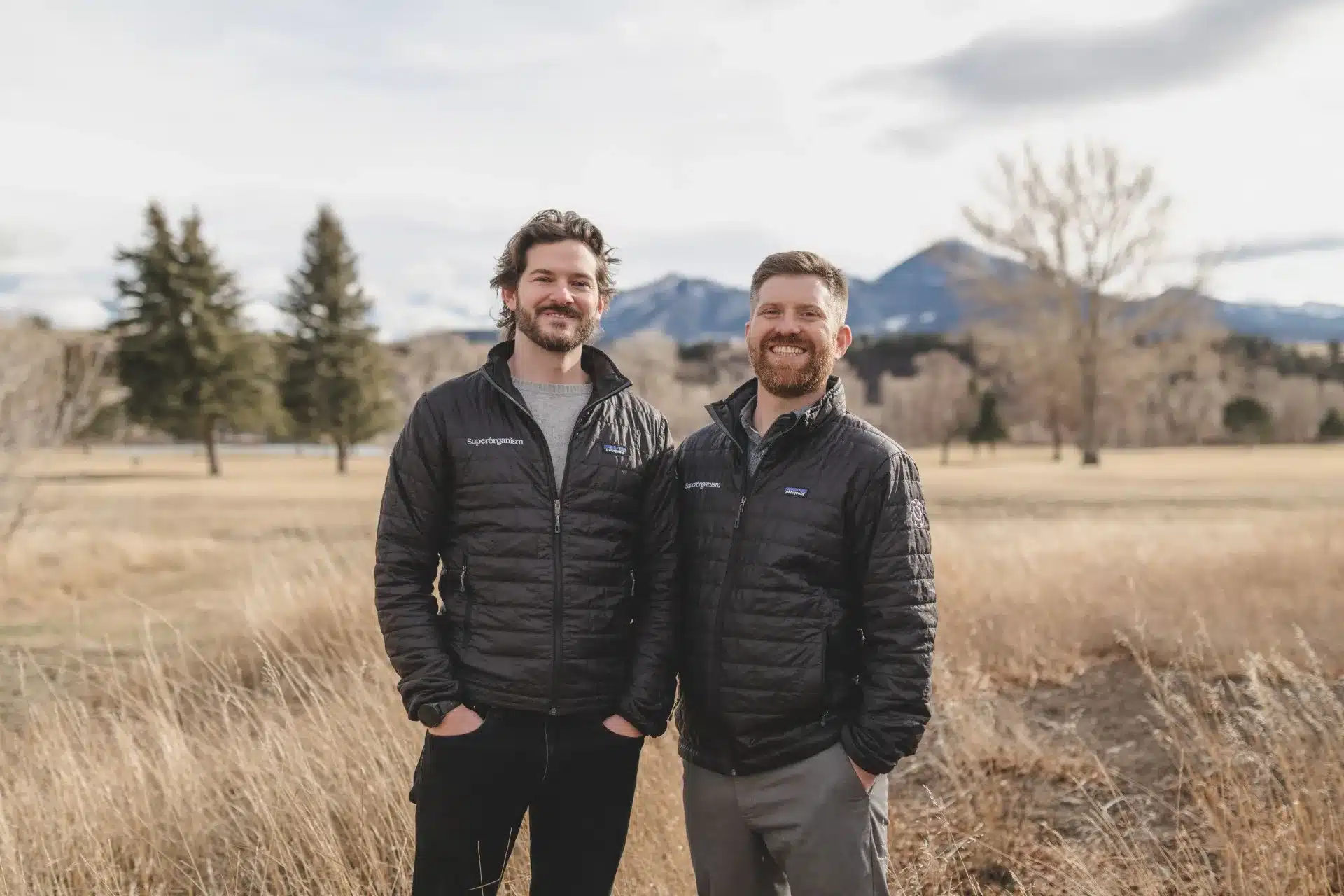
Superorganism, a venture capital firm dedicated exclusively to biodiversity, has closed its first fund with $25.9 million in committed capital.
The fund positions itself as a specialist investor backing startups that protect ecosystems, slow species loss, and support nature-positive business models.
The fund includes commitments from the Cisco Foundation, AMB Holdings, and Builders Vision, alongside individual investors such as Jeff Jordan, a partner at Andreessen Horowitz.
Investing where nature and technology intersect
Founded in 2023, Superorganism was created to address biodiversity loss through venture-backed innovation. Rather than focusing purely on carbon reduction, the firm targets startups that directly mitigate ecosystem degradation or enable conservation work at scale.
Its investment strategy spans three main areas: technologies that reduce extinction risk, companies operating at the intersection of climate and biodiversity, and tools that help conservationists and land managers operate more efficiently.
Initial cheques typically range between $250,000 and $500,000 at pre-seed and seed stages. In addition, the firm has committed to donating 10 percent of its future profits to conservation-focused initiatives.
Managing Director Kevin Webb describes the approach as parallel to climate investing, but applied to nature loss. Instead of asking how emissions can be reduced, the fund evaluates where biodiversity decline can be slowed, reversed, or avoided entirely.

Portfolio reflects broad biodiversity exposure
Superorganism has already invested in 20 startups and expects to build a portfolio of approximately 35 companies from this fund.
One example is Spoor, a portfolio company using computer vision to monitor bird movement around wind farms. The software helps reduce harm to local bird populations while also supporting renewable energy developers that must comply with strict wildlife regulations.
The firm’s founders believe biodiversity investing benefits from sector diversity. Portfolio companies operate across agriculture, conservation tech, climate infrastructure, materials, and environmental monitoring, attracting different customer bases and follow-on investors.
According to Managing Director Tom Quigley, this diversification helps insulate the portfolio from shifts in policy, regulation, or economic cycles while also demonstrating the breadth of viable biodiversity-driven business models.
Building a new asset class for biodiversity
Superorganism was formed after Webb began testing whether biodiversity-focused angel investments could scale into a dedicated venture strategy. During that process, he connected with Quigley, and the two began developing the firm in 2022.
While political sentiment around climate and environmental issues has shifted in recent years, Superorganism reports strong interest from limited partners. In many cases, biodiversity investments resonate across political lines, particularly when tied to local environmental challenges.
Quigley points to Inversa, another portfolio company that turns invasive species into leather goods, which has received public recognition for helping address ecological issues such as invasive python populations in Florida.
Bringing more capital into biodiversity innovation
Superorganism sees its role as both an investor and a catalyst for a new category of venture capital.
As one of the first funds solely focused on biodiversity, the firm aims to help institutional investors and angels gain confidence in the space by identifying companies that can generate both financial returns and measurable environmental impact.
According to the team, demonstrating that biodiversity-first startups can scale commercially is key to unlocking broader participation and moving biodiversity from a niche concern into a mainstream investment thesis.
